In the world of sewing, color plays a pivotal role in transforming fabrics into stunning creations that captivate the eye and evoke emotion. From selecting the perfect thread to choosing complementary fabrics, the art of color coordination is essential for achieving harmony and balance in sewing projects. At the heart of this mastery lies the color wheel, a fundamental tool that serves as a guiding compass for navigating the vast spectrum of hues and tones. In this blog, we dig into the importance of understanding the color wheel in sewing, exploring how it unlocks endless creative possibilities and elevates the art of garment construction and fabric manipulation.
Basics of the Color Wheel
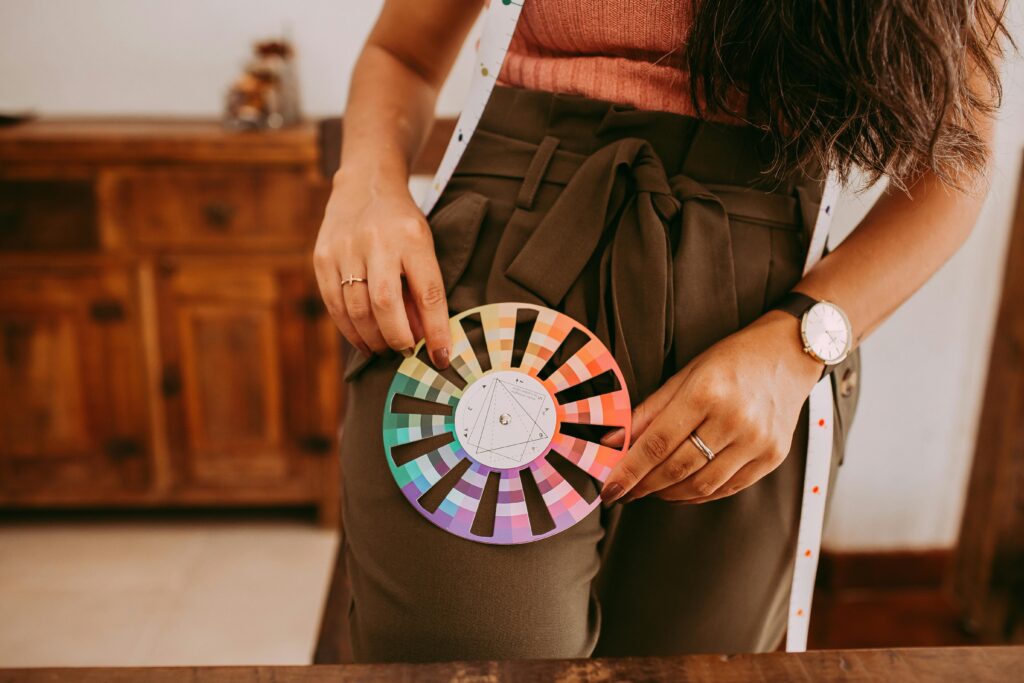
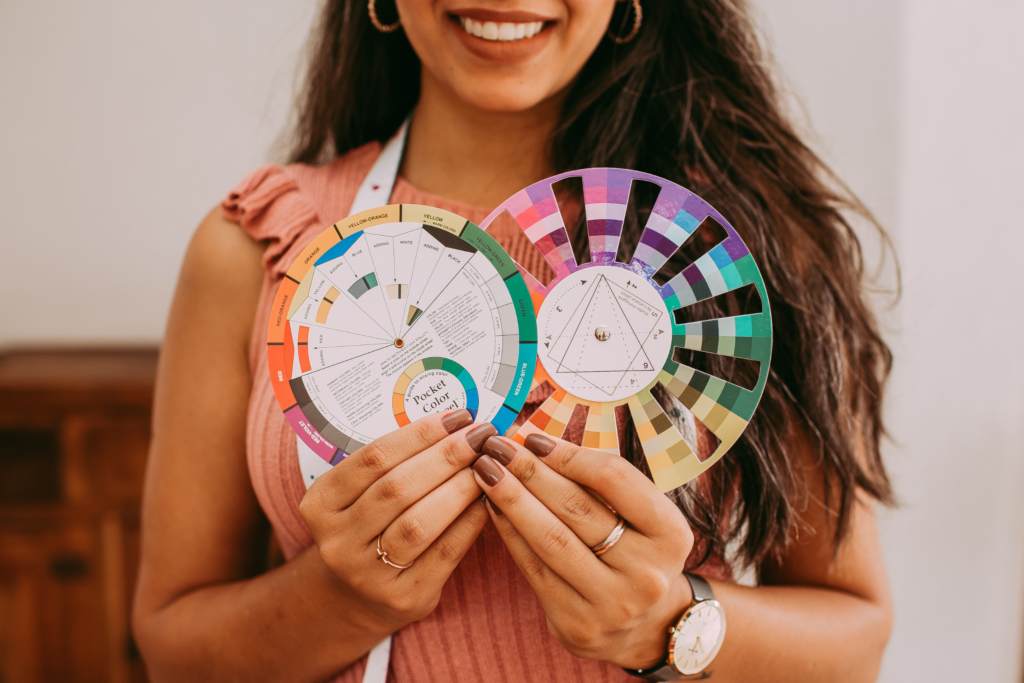
Before we dig into its significance, let’s take a moment to understand the basics of the color wheel. The color wheel is a circular diagram that organizes colors according to their relationship with one another. It consists of primary colors (red, blue, and yellow), secondary colors (orange, green, and purple), and tertiary colors (such as red-orange, yellow-green, and blue-violet), all arranged in a systematic manner. Understanding the relationships between these colors—such as complementary, analogous, and triadic—provides valuable insights into color theory and allows sewists to make informed decisions when selecting fabrics, threads, and embellishments for their projects.
- Complementary Colors – a color that is directly opposite another color on the wheel. Complementary colors create contrast and enhance each other’s intensity when placed together. For example, the complementary color of red is green, the complementary color of blue is orange, and the complementary color of yellow is purple. When used together in design or art, complementary colors can create vibrant and dynamic visual effects.
- Analogous Colors– refers to colors that are adjacent to each other. These colors share a similar hue and are often found side by side on the color wheel. For example, in a traditional color wheel, yellow, yellow-green, and green are analogous colors because they are located next to each other. Similarly, blue, blue-green, and green are also analogous colors. Analogous color schemes are harmonious and pleasing to the eye because they create a sense of unity and cohesion in a design.
- Triadic Colors – refer to three colors that are evenly spaced from each other. These colors create a balanced and vibrant color scheme when used together in design. To find triadic colors, you can draw an equilateral triangle on the color wheel, with each point representing one of the selected colors. For example, the primary colors—red, blue, and yellow—are triadic colors because they are equally spaced apart on the color wheel. Similarly, the secondary colors—orange, green, and purple—are also triadic colors. Triadic color schemes are dynamic and visually appealing, offering a wide range of possibilities for creating contrast and harmony in design.
Click here for a free color wheel download.
Achieving Harmony and Balance
One of the primary reasons why knowing the color wheel is crucial in sewing is its role in achieving harmony and balance in designs. By understanding color relationships, sewists can create visually appealing compositions that resonate with viewers. For example, complementary colors—those located opposite each other on the color wheel—create dynamic contrast and draw attention to specific elements within a design. By strategically incorporating complementary colors into a garment or quilt, sewists can achieve balance and visual interest, elevating their creations from ordinary to extraordinary.
Creating Mood and Atmosphere
Color has the power to evoke emotion and set the mood in sewing projects. Whether designing a vibrant summer dress or a cozy winter quilt, selecting the right colors can convey the desired atmosphere and ambiance. Warm colors like reds, oranges, and yellows exude energy and passion, while cool colors like blues and greens evoke tranquility and serenity. By leveraging the principles of the color wheel, sewists can permeate their creations with the appropriate mood, ensuring that the finished piece resonates with its intended audience and captures the desired emotion.
Enhancing Coordination and Cohesion
In sewing, coordinating fabrics and threads is essential for achieving a cohesive and polished look. The color wheel serves as a valuable tool for ensuring that fabrics and threads harmonize seamlessly within a project. Analogous colors, those located next to each other on the color wheel, create a harmonious and unified palette that is visually pleasing to the eye. By selecting fabrics and threads within the same color family or adjacent hues, sewists can achieve coordination and cohesion in their designs, resulting in a professional and polished finish.
Expanding Creative Possibilities
Perhaps one of the most exciting aspects of understanding the color wheel in sewing is its ability to expand creative possibilities and encourage experimentation. Armed with knowledge of color theory, sewists can confidently explore new color combinations, experiment with bold contrasts, and push the boundaries of traditional design conventions. Whether blending unexpected color palettes or incorporating subtle tonal shifts, the color wheel empowers sewists to unleash their creativity and express their unique vision through fabric and thread.
Practical Applications in Sewing
Knowing the color wheel has practical applications in various aspects of sewing, from garment construction to quilting and fabric manipulation. When selecting fabrics for a garment, for example, sewists can use the color wheel to ensure that the chosen colors flatter the wearer’s skin tone and complement one another harmoniously. Whether piecing together intricate patchwork designs or embellishing textiles with embroidery and appliqué, understanding the color wheel is essential for achieving stunning results in sewing projects of all kinds.
In conclusion, the color wheel is a powerful tool that holds the key to unlocking endless creative possibilities in sewing. By understanding the relationships between colors and leveraging the principles of color theory, sewists can achieve harmony, balance, and cohesion in their designs. Whether creating garments, quilts, or fabric art, the color wheel empowers sewists to infuse their creations with mood, atmosphere, and emotion, ensuring that each piece resonates with its intended audience. As we continue on our sewing journey, let us embrace the art of color and harness its transformative power to elevate our craft and inspire those around us.
Click here for a free color wheel download.